Why Precision Matters: How a Brand-Aligned AI Writing Tool Changes the Content Game
Case Studies
•
Thomas Al-Hariri

The industry is shifting from “AI writing” to “AI operations” for exactly this reason. Pragmatic Digital
describes the highest-performing content teams as those building an “operating system” around creation, with defined source material, structured prompts, review standards, and governance, rather than simply using AI to write faster. That framing matters. It redefines what the best AI for writing actually needs to do: not just generate text, but orchestrate an entire pipeline from idea to published, optimized asset.
And the one thing a fragmented stack cannot enforce, no matter how many tools you chain together, is a consistent brand voice.
Brand-Aligned Content Generation
So if the problem isn’t writing speed, what does a better ai-writing tool actually solve?
It solves identity at scale. A brand-aligned content system does not simply generate text. It codifies your voice, your structural preferences, your vocabulary, and your standards into a repeatable pipeline. Think of it less as an assistant and more as an operating system for how your brand shows up in every piece of content you publish.
Generic AI tools take the opposite approach. They rely on a prompt-and-publish cycle: you describe what you want, the model drafts something plausible, and then you spend the next hour rewriting it until it sounds like you. That rewriting step is where most of the real labor hides. As one industry analysis
put it, prompt engineering has an architectural ceiling. It can steer tone, but it cannot reliably enforce the brand facts, positioning, or compliance constraints that make content genuinely yours. Small changes in prompt wording can meaningfully alter output, and results vary across runs, creating what practitioners call compliance drift.
A purpose-built system works differently. Instead of asking a general model to guess your voice from a paragraph of instructions, it stores your brand profile, tone rules, structural templates, and style guidelines persistently. Every piece of content passes through those constraints before it reaches you for approval. The distinction matters because consistency compounds. Research from Acrolinx
shows organizations using AI-powered personalization see five to eight times the return on marketing spend compared to generic approaches.
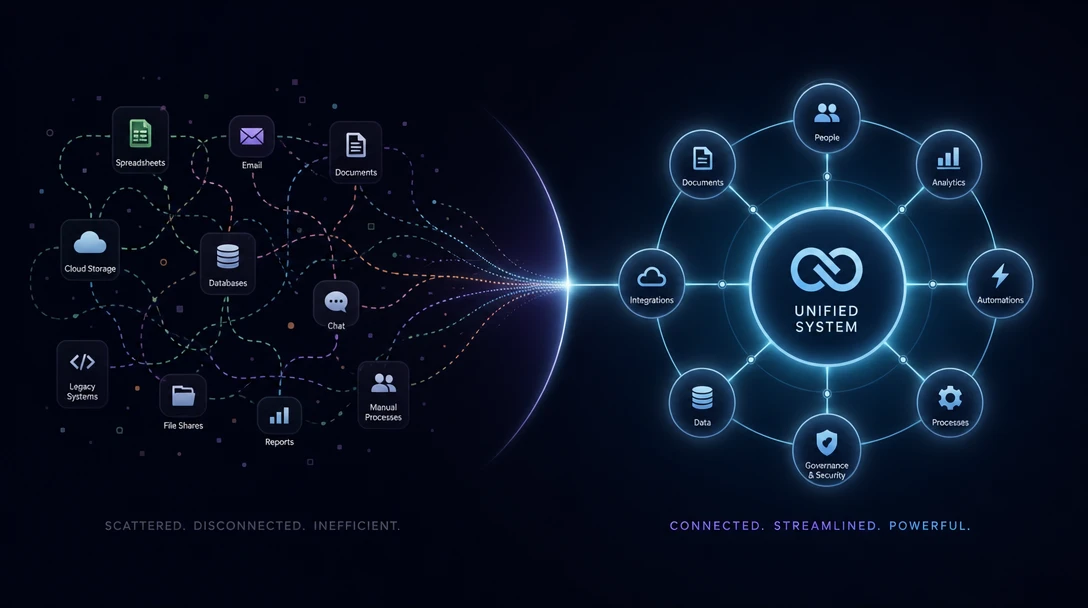
Bloggerly’s pipeline
reflects this philosophy. Rather than generating a draft and handing it off to a fragmented editing stack, it enforces style, vocabulary, and structural rules across the entire workflow, from research through SEO optimization to multi-channel publishing. One input, one set of brand standards, output formatted for WordPress, LinkedIn, Substack, and beyond. The manual rewriting loop disappears because the system is trained to get it right on the first pass.
This is where “ai powered writing assistant” stops being an adequate description. The real value is not assistance. It is governance: making sure that whether you publish three posts this week or thirty, every one reads like it came from the same clear, intentional voice.
That consistency does more than protect your brand. It creates measurable advantages in how search engines and audiences respond to your content.
Quantifying the Workflow Advantage in SEO and ROI
Consistent brand voice is not a cosmetic preference. It is a performance variable.
When every post sounds like it came from the same editorial mind, search engines see a coherent, authoritative domain. Audiences develop pattern recognition and trust. Both of those signals compound over time, and both erode quickly when output drifts into generic territory.
The data supports this. A case study published by Shelly Palmer
documented an e-commerce team that adopted a brand-customized AI writing tool, training it on existing guidelines, tone parameters, and source materials. The result: a 113% increase in blog production paired with a 7% rise in overall site traffic . That combination matters. More content alone does not move the needle if it dilutes quality or confuses brand positioning. The traffic growth suggests the additional output maintained enough consistency and relevance to earn organic visibility.
Zooming out from a single case, the broader pattern holds. Aprimo
reports that companies integrating AI across their full marketing workflows see a 15–20% increase in ROI compared to those using ad-hoc tools piecemeal. Acrolinx
puts the figure even higher for organizations that pair AI with sustained brand personalization: five to eight times the return on marketing spend .
The gap between those numbers and what most creators experience comes down to one thing: integration. Stitching together a generic ai-writing tool, a separate SEO platform, and a manual publishing process introduces friction at every handoff. Each handoff is a chance for voice drift, missed optimization, or simply running out of time before hitting publish.
An integrated pipeline, one that enforces brand rules from research through distribution, removes those handoffs. Human creativity leads the strategy. The system handles execution. That division is where the ROI advantage actually lives.
Which raises the practical question: what does it take to replace the fragmented stack most creators are running today?

Efficiency at Scale: Replacing the Fragmented Stack
Most content creators are not paying for one tool. They are paying for six, then spending their own time as the glue between them. That hidden labor, the briefing, formatting, reformatting, and chasing, is the real cost.
Some estimates suggest a fractional content hire
runs roughly $3,000 per month at market rate. For that, you can expect four to six posts on a good month. You still manage the briefs, review the drafts, handle the publishing, and absorb the ramp time, sick days, and turnover risk. When the person leaves, the playbook often leaves with them.
Bloggerly
replaces that model with an automated pipeline: research, cited drafting, illustration, SEO and GEO structure, and direct publishing to your CMS and social channels. One input, one approval, live everywhere. No off weeks. No management overhead. Estimates suggest a founding price of $39 per month.
Same output. A fraction of the cost. None of the coordination tax.
If your content strategy and SEO goals keep stalling at the publishing step, the bottleneck is not talent or ideas. It is the stack. One pipeline, built around your brand, changes the math entirely.
Join the Bloggerly beta
and move from a pile of tools to a single automated content operation.
The conversation about AI writing is already shifting. Speed was the first wave. The next phase belongs to creators who treat content as an integrated operation, not a collection of disconnected drafts. Building a brand-aligned pipeline now means compounding returns in search authority, audience trust, and operational clarity for years, not weeks. If you are still stitching tools together by hand, schedule a demo with Bloggerly
and see what a single, brand-first workflow actually looks like in practice.
You know the routine. Notion for the outline. A generic AI writing tool for the first draft. Ahrefs for keyword gaps. Canva for the header image. WordPress to format and publish. Five tabs, six logins, three hours of toggling, and ultimately, the post still sits in drafts. You started three pieces of content this month. You published zero.
This is the reality for most professional bloggers and content creators in 2025. AI made writing paragraphs cheap. It did nothing about the other twelve steps between a raw idea and a live, optimized post: researching sources, enforcing brand voice, structuring for SEO and content strategy, generating images, formatting for your CMS, distributing across channels. The bottleneck was never the blank page. It’s the fragmented stack around it. And as long as creators treat this as a writing problem rather than an operational one, the best AI powered writing assistant in the world won’t close the gap between “drafted” and “published.” The real question isn’t which tool writes the fastest draft. It’s which system turns your brand into a publishing operation.
The Evolution of Content Creation: Beyond Generic AI
The problem is structural, not creative. AI writing became accessible to everyone in the same twelve-month window, and the result is predictable: a flood of competent-sounding paragraphs that all read the same way, rank for the same terms, and build authority for no one.
But speed of drafting was never the actual constraint. As Bloggerly’s own workflow research
puts it, AI made writing paragraphs cheap while doing “absolutely nothing about the other 12 steps”: researching sources, structural SEO optimization, image generation, formatting, and platform distribution. The real work sits in the seams between tools.
This is what practitioners call the “tool disaster.” A single blog post might touch Notion, ChatGPT, Semrush, Canva, Grammarly, and WordPress before it goes live. Five tabs, six logins, three hours of glue work, and you still haven’t addressed whether the piece sounds like your brand or just sounds like everyone else’s AI. Multiply that across a publishing calendar and the bottleneck becomes obvious: generic AI writing tools optimized the one step that was already fast and left the other eleven untouched.

The industry is shifting from “AI writing” to “AI operations” for exactly this reason. Pragmatic Digital
describes the highest-performing content teams as those building an “operating system” around creation, with defined source material, structured prompts, review standards, and governance, rather than simply using AI to write faster. That framing matters. It redefines what the best AI for writing actually needs to do: not just generate text, but orchestrate an entire pipeline from idea to published, optimized asset.
And the one thing a fragmented stack cannot enforce, no matter how many tools you chain together, is a consistent brand voice.
Brand-Aligned Content Generation
So if the problem isn’t writing speed, what does a better ai-writing tool actually solve?
It solves identity at scale. A brand-aligned content system does not simply generate text. It codifies your voice, your structural preferences, your vocabulary, and your standards into a repeatable pipeline. Think of it less as an assistant and more as an operating system for how your brand shows up in every piece of content you publish.
Generic AI tools take the opposite approach. They rely on a prompt-and-publish cycle: you describe what you want, the model drafts something plausible, and then you spend the next hour rewriting it until it sounds like you. That rewriting step is where most of the real labor hides. As one industry analysis
put it, prompt engineering has an architectural ceiling. It can steer tone, but it cannot reliably enforce the brand facts, positioning, or compliance constraints that make content genuinely yours. Small changes in prompt wording can meaningfully alter output, and results vary across runs, creating what practitioners call compliance drift.
A purpose-built system works differently. Instead of asking a general model to guess your voice from a paragraph of instructions, it stores your brand profile, tone rules, structural templates, and style guidelines persistently. Every piece of content passes through those constraints before it reaches you for approval. The distinction matters because consistency compounds. Research from Acrolinx
shows organizations using AI-powered personalization see five to eight times the return on marketing spend compared to generic approaches.
Bloggerly’s pipeline
reflects this philosophy. Rather than generating a draft and handing it off to a fragmented editing stack, it enforces style, vocabulary, and structural rules across the entire workflow, from research through SEO optimization to multi-channel publishing. One input, one set of brand standards, output formatted for WordPress, LinkedIn, Substack, and beyond. The manual rewriting loop disappears because the system is trained to get it right on the first pass.
This is where “ai powered writing assistant” stops being an adequate description. The real value is not assistance. It is governance: making sure that whether you publish three posts this week or thirty, every one reads like it came from the same clear, intentional voice.
That consistency does more than protect your brand. It creates measurable advantages in how search engines and audiences respond to your content.
Quantifying the Workflow Advantage in SEO and ROI
Consistent brand voice is not a cosmetic preference. It is a performance variable.
When every post sounds like it came from the same editorial mind, search engines see a coherent, authoritative domain. Audiences develop pattern recognition and trust. Both of those signals compound over time, and both erode quickly when output drifts into generic territory.
The data supports this. A case study published by Shelly Palmer
documented an e-commerce team that adopted a brand-customized AI writing tool, training it on existing guidelines, tone parameters, and source materials. The result: a 113% increase in blog production paired with a 7% rise in overall site traffic . That combination matters. More content alone does not move the needle if it dilutes quality or confuses brand positioning. The traffic growth suggests the additional output maintained enough consistency and relevance to earn organic visibility.
Zooming out from a single case, the broader pattern holds. Aprimo
reports that companies integrating AI across their full marketing workflows see a 15–20% increase in ROI compared to those using ad-hoc tools piecemeal. Acrolinx
puts the figure even higher for organizations that pair AI with sustained brand personalization: five to eight times the return on marketing spend .
The gap between those numbers and what most creators experience comes down to one thing: integration. Stitching together a generic ai-writing tool, a separate SEO platform, and a manual publishing process introduces friction at every handoff. Each handoff is a chance for voice drift, missed optimization, or simply running out of time before hitting publish.
An integrated pipeline, one that enforces brand rules from research through distribution, removes those handoffs. Human creativity leads the strategy. The system handles execution. That division is where the ROI advantage actually lives.
Which raises the practical question: what does it take to replace the fragmented stack most creators are running today?
Efficiency at Scale: Replacing the Fragmented Stack
Most content creators are not paying for one tool. They are paying for six, then spending their own time as the glue between them. That hidden labor, the briefing, formatting, reformatting, and chasing, is the real cost.
Some estimates suggest a fractional content hire
runs roughly $3,000 per month at market rate. For that, you can expect four to six posts on a good month. You still manage the briefs, review the drafts, handle the publishing, and absorb the ramp time, sick days, and turnover risk. When the person leaves, the playbook often leaves with them.
Bloggerly
replaces that model with an automated pipeline: research, cited drafting, illustration, SEO and GEO structure, and direct publishing to your CMS and social channels. One input, one approval, live everywhere. No off weeks. No management overhead. Estimates suggest a founding price of $39 per month.
Same output. A fraction of the cost. None of the coordination tax.
If your content strategy and SEO goals keep stalling at the publishing step, the bottleneck is not talent or ideas. It is the stack. One pipeline, built around your brand, changes the math entirely.
Join the Bloggerly beta
and move from a pile of tools to a single automated content operation.
The conversation about AI writing is already shifting. Speed was the first wave. The next phase belongs to creators who treat content as an integrated operation, not a collection of disconnected drafts. Building a brand-aligned pipeline now means compounding returns in search authority, audience trust, and operational clarity for years, not weeks. If you are still stitching tools together by hand, schedule a demo with Bloggerly
and see what a single, brand-first workflow actually looks like in practice.